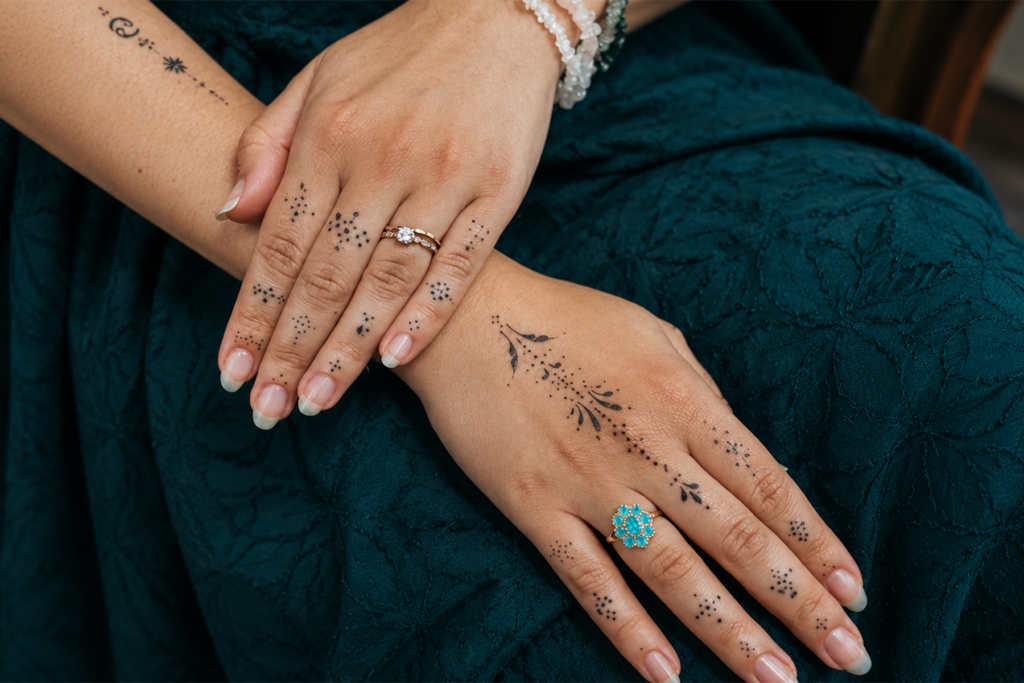
Long before electric tattoo machines transformed the industry, tattoos were created one mark at a time. A needle, a pigment and a steady hand were enough to create permanent artwork on skin. Today, that ancient approach is finding new appreciation through hand-poke tattoos a technique that replaces the constant buzz of a machine with a slower, deliberate process.
Where Did Hand-Poke Tattooing Begin?
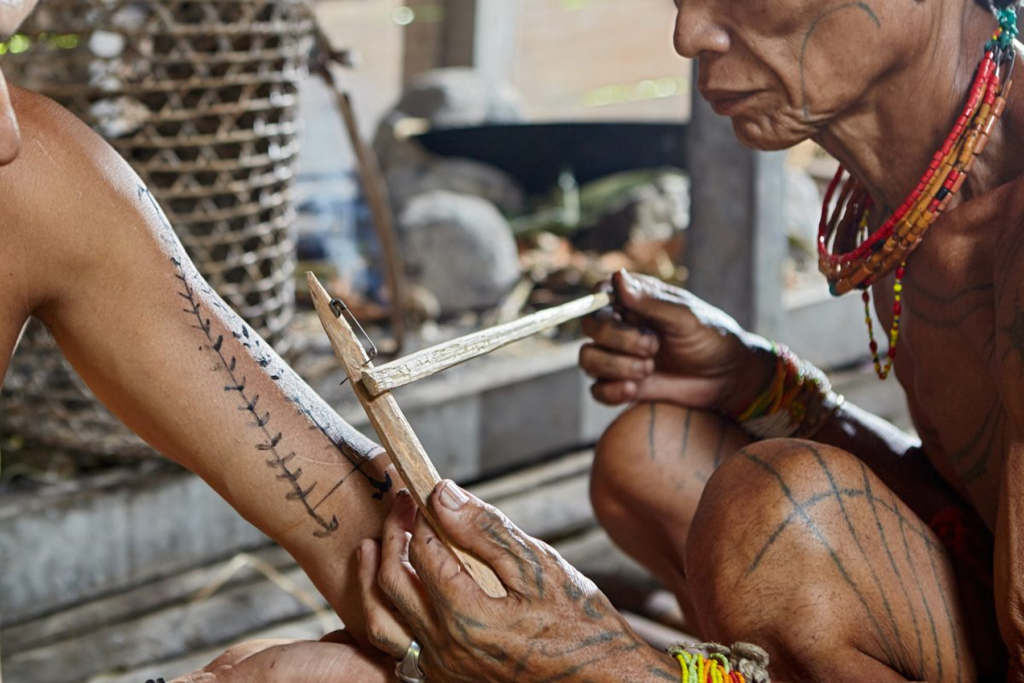
Hand-tattooing is not a modern invention. Different forms of manual tattooing have existed across cultures for thousands of years, with communities developing their own tools, techniques, symbols and traditions.
Ancient tattooing practices have been documented across regions including Polynesia, Japan, Southeast Asia and parts of Africa and the Americas. Tools varied from sharpened bones and thorns to specially crafted needles and other traditional instruments.
In many cultures, tattoos represented far more than decoration. They could communicate identity, social status, spiritual beliefs, achievements, ancestry or belonging. The technique was often closely connected to cultural rituals and community traditions.
From Traditional Tools to Modern Hand-Poke Tattoos
The development of the electric tattoo machine changed tattooing dramatically. Machine tattooing allowed artists to work faster and create highly detailed designs with greater consistency.
However, hand-poke tattooing never completely disappeared.
The modern stick and poke tattoo movement brought renewed attention to manual tattooing, particularly among people interested in minimalist, delicate and personal designs. While today’s professional hand-poke artists may use modern sterile equipment and contemporary techniques, the fundamental principle remains the same: pigment is deposited into the skin through individual, controlled punctures rather than continuous machine movement.
Why Is Hand-Poke Tattooing Considered Meditative?
The defining characteristic of hand-poke tattoos is their pace.
Instead of a machine rapidly creating a continuous line, the artist builds the tattoo dot by dot. Every movement is intentional. This slower process can create a different experience for both the artist and the client.
For smaller minimalist tattoos, symbols, fine details and simple custom designs, the method can feel particularly intimate. The gradual construction of the artwork also allows the client to experience the tattooing process in a completely different way.
Is Hand-Poke the Same as DIY Stick and Poke?
Not necessarily.
Although “stick and poke” is commonly associated with DIY tattooing, professional hand-poke tattooing is performed by trained tattoo artists using appropriate sterile equipment, professional pigments and proper hygiene procedures.
The technique may be traditional in concept, but professional execution is essential for safe and high-quality results.
Why Are Hand-Poke Tattoos Making a Comeback?
Part of the appeal comes from their connection to tattooing’s roots. In an industry increasingly influenced by advanced machines, digital design and highly complex techniques, hand-poke tattoos offer something different: simplicity, patience and craftsmanship.
For clients searching for custom tattoos with a more personal and understated character, hand-poke designs can be an appealing choice.
From ancient cultural practices to modern tattoo studios, hand-poke tattooing has travelled a remarkable journey. Its tools may have changed, but the fundamental idea remains beautifully simple, one mark, one moment, one tattoo at a time.