Tattoo art has traveled through centuries, transforming from ancient cultural rituals into one of the most popular forms of modern self-expression. The evolution of tattoos reflects changes in society, technology, fashion and personal identity. What once symbolized protection, status and spirituality has now become a global art form admired by millions.
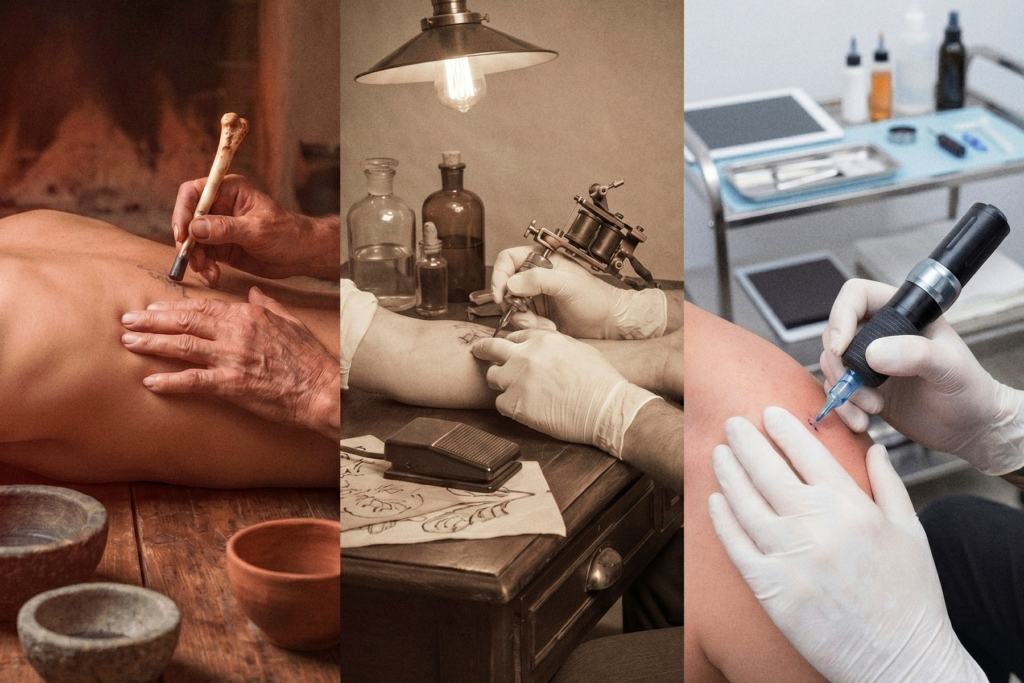
In ancient times, tattoos were deeply connected to tradition and culture. Civilizations like Egypt, Polynesia, Japan and India used tattoos to represent strength, religious beliefs, healing and tribal identity. Traditional tattoo methods involved hand tools made from bones, bamboo sticks and sharpened thorns, with natural pigments used as ink. Every tattoo had meaning and the process itself was often considered sacred.
As time passed, tattooing entered different societies with new purposes. Sailors used tattoos to mark their journeys, warriors wore them as symbols of bravery and communities used them for recognition and belonging. During this period, tattooing slowly moved from ritual practice to personal identity.
The biggest transformation came with the invention of the electric tattoo machine in the late 19th century. This changed tattooing forever by making the process faster, more precise and more accessible. Modern tattoo studios introduced safer hygiene standards, sterilized equipment and improved ink quality, making tattooing both safer and more professional.
Today, tattoo styles have expanded into realism, minimal tattoos, portrait tattoos, geometric tattoos, black and grey work, watercolor tattoos and advanced cover-up tattoos. People choose tattoos not only for symbolism but also for fashion, storytelling and personal expression.
At Irezumi, we see tattooing as both heritage and innovation. From traditional Irezumi inspiration to modern precision techniques, the journey of tattoo art continues to grow. For aspiring tattoo artists and tattoo lovers, understanding this evolution creates deeper respect for the craft and opens the door to mastering the future of tattoo design.