Many people walk into a tattoo academy expecting to learn how to hold a machine, create clean lines and apply ink to skin. Those skills are certainly part of the journey. What surprises most students is how much tattoo training teaches beyond the technical side of the craft.
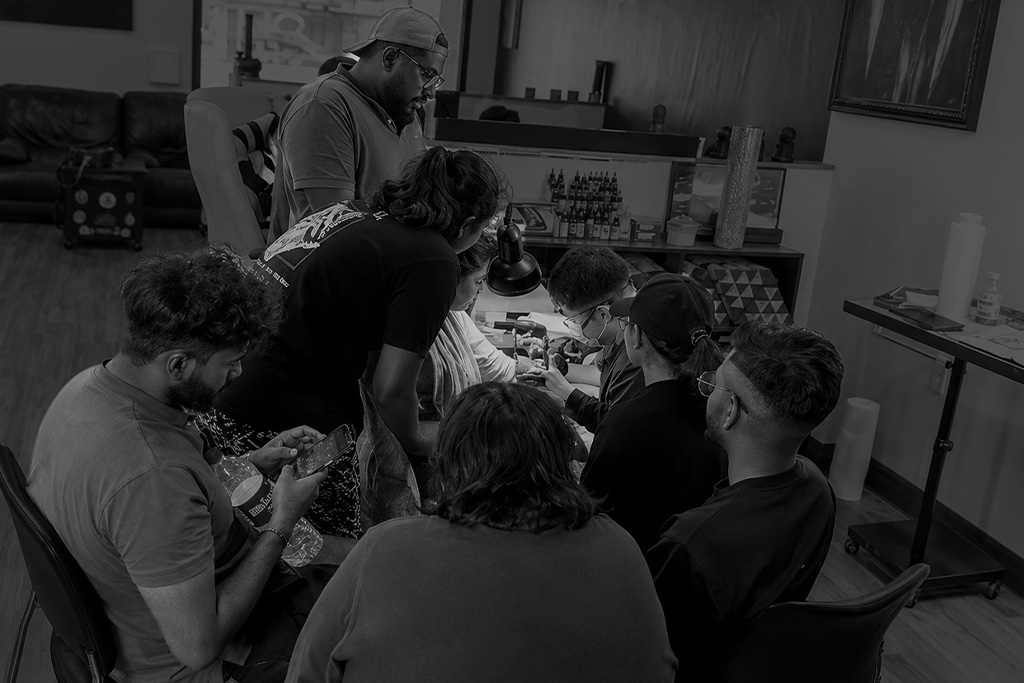
Tattooing sits at the intersection of art, discipline and human connection. Learning it requires far more than artistic talent alone.
Art is often the first thing that attracts people to tattooing. Students arrive with sketchbooks full of ideas, favourite styles and a desire to create meaningful work. Very quickly, they discover that tattoo art follows a different set of rules. A design may look impressive on paper but fail as a tattoo if it does not suit the body, maintain clarity or age well over time.
Understanding those differences takes practice. Students learn how to simplify complex ideas, create strong compositions and design with the skin in mind. Every decision has a purpose. Every line must earn its place.
Patience becomes equally important.
The learning process can feel slower than many expect. Before working on skin, students spend countless hours drawing, observing and refining basic techniques. Progress comes through repetition rather than shortcuts. Small improvements made consistently often matter more than dramatic breakthroughs.
This patience carries into tattooing itself. Rushing rarely produces good results. Whether creating a custom design or working through a detailed session, careful attention is what allows quality work to emerge. Learning to trust the process is one of the most valuable lessons an aspiring tattoo artist can develop.
Then there is the human side of the profession.
Every tattoo begins with a conversation. Clients arrive with different personalities, expectations and stories. Some know exactly what they want. Others need guidance to transform an idea into a design that works. Technical ability matters, but communication often determines whether the experience is successful.
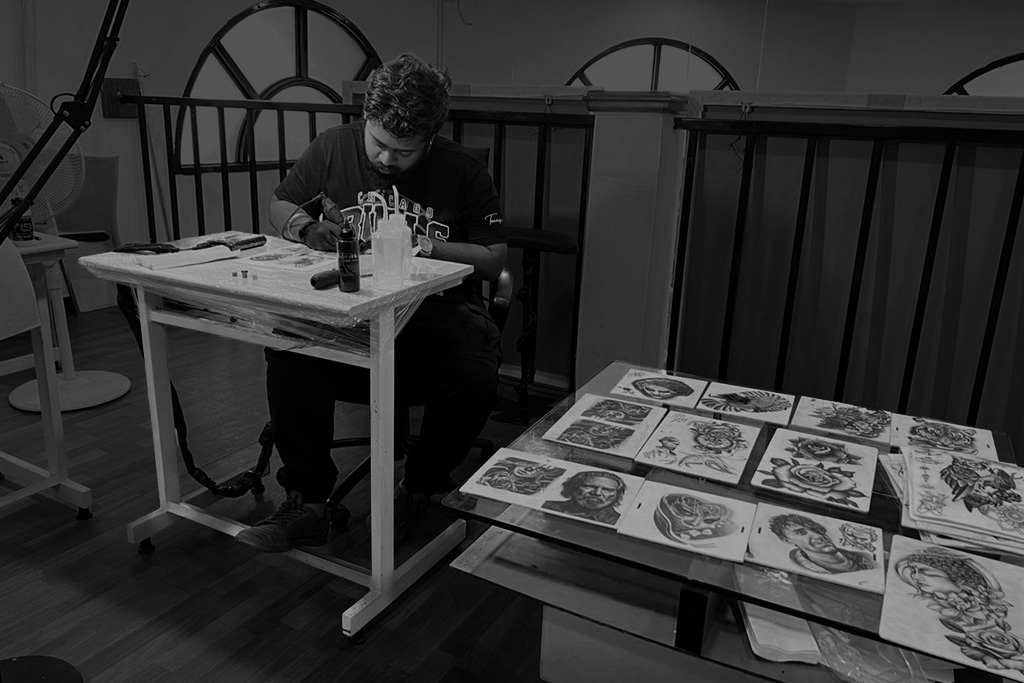
Students quickly learn that listening is just as important as drawing. Understanding what a client means, even when they struggle to express it, becomes part of the skill set. Building trust, managing expectations and creating a comfortable environment are essential aspects of professional tattooing.
This is why tattoo training extends beyond art education. It develops observation, empathy and responsibility. Every tattoo carries significance for the person receiving it and that responsibility cannot be taken lightly.
At Irezumi Academy, the goal is not simply to teach students how to tattoo. It is to help them understand the mindset behind the craft. Technical skills can be taught through practice and guidance. Professional growth comes from learning how to think, communicate and create with intention.
The most successful tattoo artists are rarely defined by talent alone. They are shaped by patience, consistency and a genuine understanding of the people who trust them with their stories. Those lessons often become just as valuable as the artwork itself.