For years, getting a tattoo was treated as a lifelong decision: choose a design, find the right placement and accept that it will stay with you. Today, that mindset is changing. People still love tattoos, but many are approaching them with a different attitude choosing smaller designs, subtle placements, temporary-looking aesthetics and even considering removal as part of their long-term options. This shift is creating a new idea in tattoo culture: “commitment-light” ink.
What Does Commitment-Light Tattooing Mean?
Commitment-light doesn’t mean people are taking tattoos less seriously. Instead, it reflects a desire for flexibility.
Clients may choose minimalist tattoos, fine-line designs, tiny symbols, or discreet placements because they want something meaningful without making it the dominant feature of their appearance. Others may select designs knowing that tattoo removal or modification could eventually become an option.
The result is a more flexible approach to permanent body art.
Why Are People Considering Tattoo Removal?
Tattoo removal is no longer viewed only as a solution for major tattoo regrets. People may consider removing or fading tattoos for many reasons.
A person’s career, personal style, relationships or interests can change over time. A design that felt perfect at 20 may no longer represent someone at 30. Others may simply want to make space for a new custom tattoo or completely redesign an existing piece.
This has made tattoo removal an increasingly relevant part of the modern tattoo journey.
Smaller Tattoos, Lower Commitment
The popularity of small and subtle tattoos has also changed how people think about permanence. Tiny symbols, micro tattoos, fine-line artwork and discreet designs can feel easier to live with than large, highly visible pieces.
However, smaller does not automatically mean easier to remove. Tattoo removal depends on several factors, including ink colour, pigment depth, tattoo age, skin characteristics and the technology used.
That is why professional advice is important before deciding whether a tattoo is suitable for removal or fading.
Removal Can Also Be Part of Reinvention
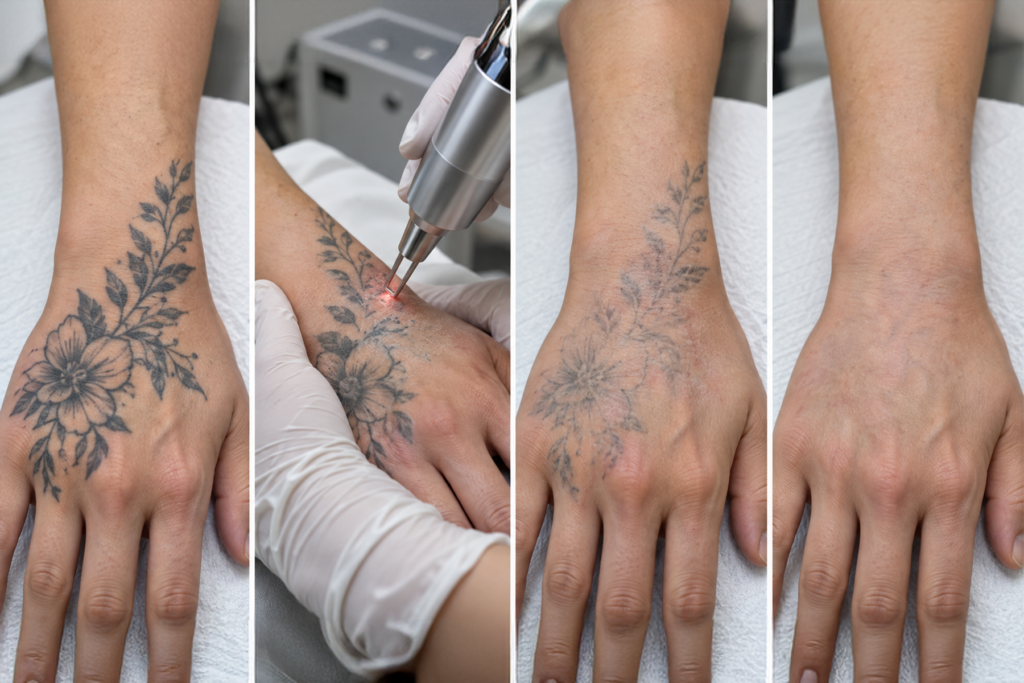
One interesting trend is that tattoo removal isn’t always about completely erasing the past. Sometimes, clients want to fade an existing tattoo enough to create something new.
A faded design can potentially become the foundation for a cover-up tattoo, allowing an artist to work with the existing placement while creating a completely different composition.
This turns removal into part of the creative process rather than simply an endpoint.
Think Before You Ink and Plan for Change
The rise of commitment-light tattoos doesn’t mean people are becoming less passionate about body art. In many ways, it shows that clients are becoming more thoughtful about how tattoos fit into their changing lives.
Choosing a skilled tattoo artist, considering placement carefully, understanding the characteristics of the chosen design and discussing long-term possibilities can all help create better decisions.
Tattoos may be permanent, but the way people approach them doesn’t have to be. From minimalist designs and discreet placements to professional tattoo removal and creative cover-ups, today’s tattoo culture offers more possibilities for people who want meaningful ink without feeling locked into one decision forever.